About Me
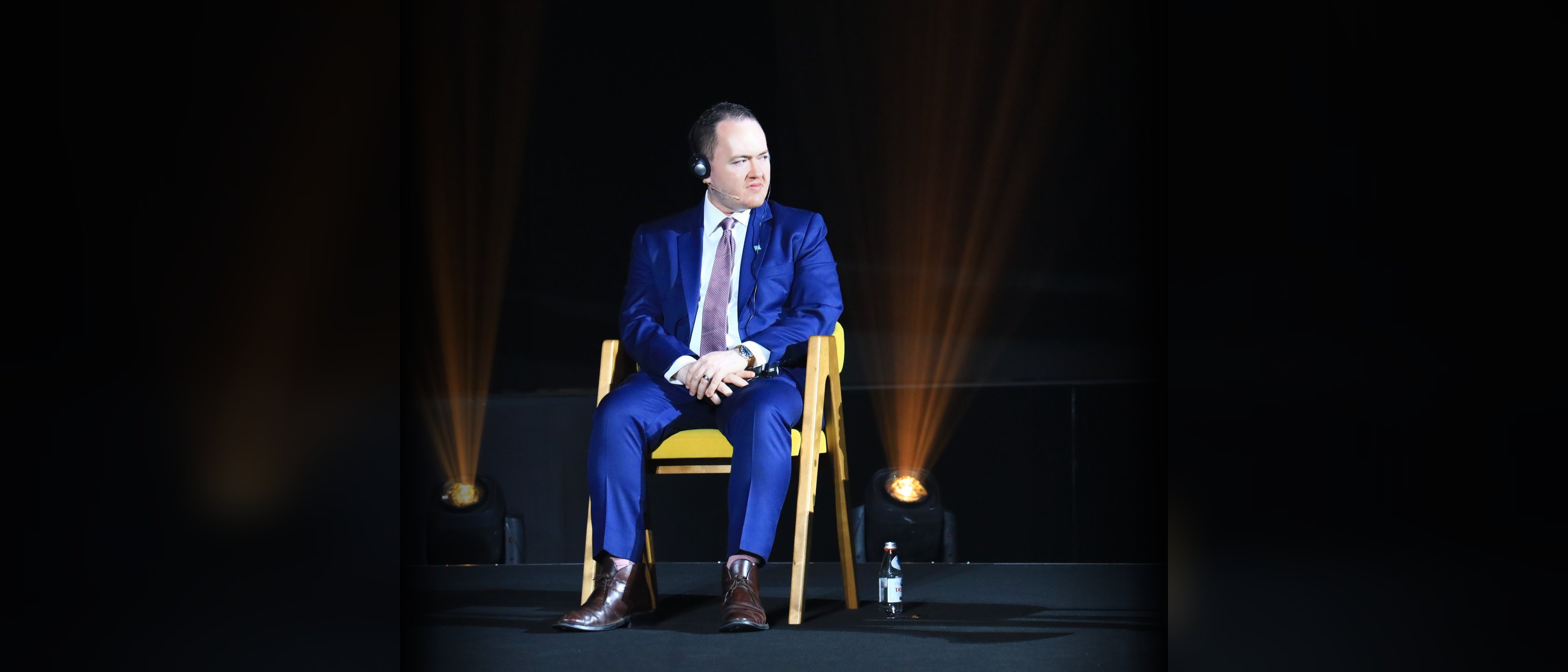
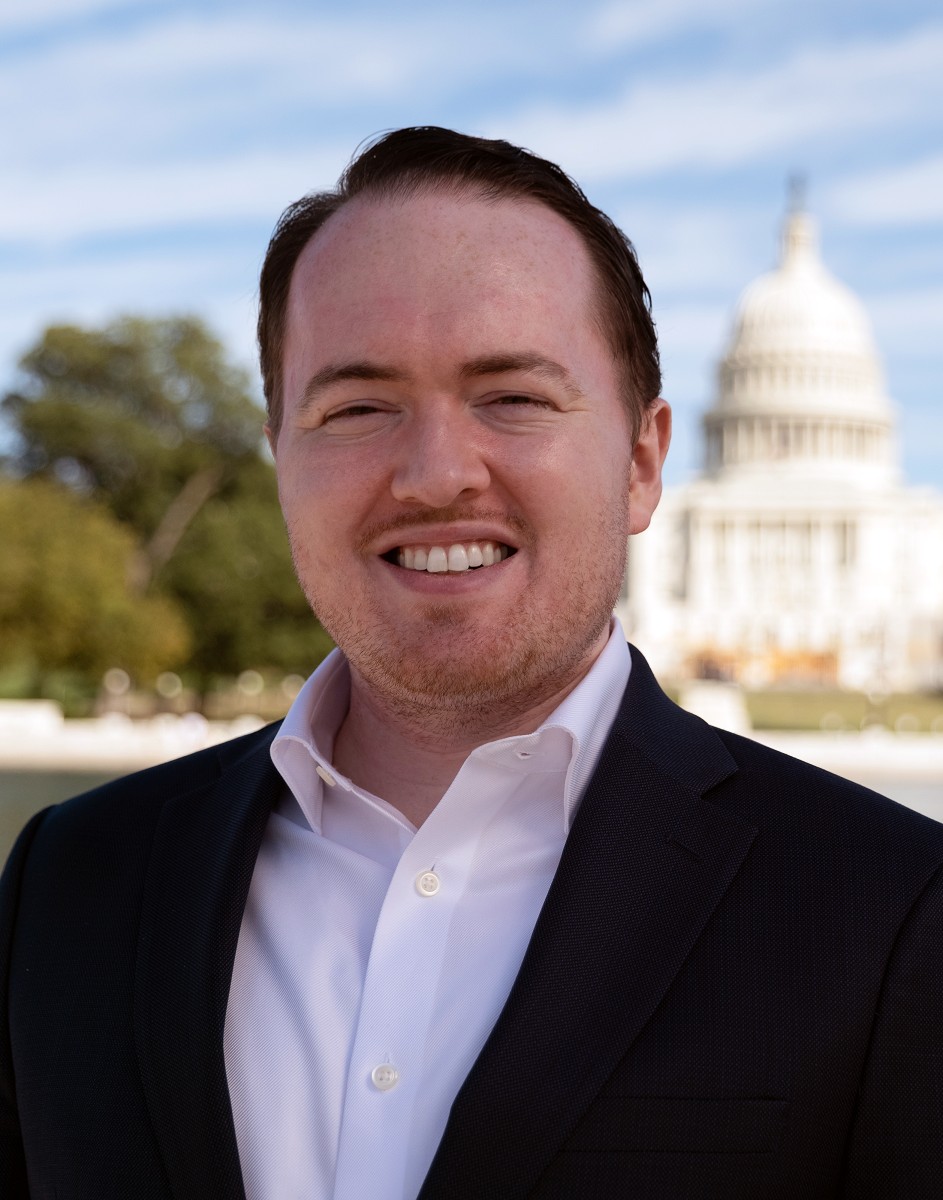
I study emerging technology and international security with a focus on information manipulation. From 2019 to 2026, I served as resident senior fellow and in various leadership positions at the Atlantic Council's Digital Forensic Research Lab (DFRLab), where I directed efforts to identify and disrupt hostile state influence operations. I've also worked to increase the accountability of large technology companies and more recently to ensure that the AI revolution advances the public interest.
I regularly write and speak on issues relating to US defense policy, information warfare, and AI. My 2018 book, LikeWar: The Weaponization of Social Media (coauthored with P.W. Singer), helped popularize the study of disinformation and online influence. I have since worked on or supported many efforts to standardize and professionalize the field, and to steer the counter-propaganda strategies of democratic states and social media platforms in a healthier direction.
Work
I began my career in 2014 as a research associate at the Council on Foreign Relations, focused on US defense policy. In this role, I supported the Hon. Janine Davidson in her work on civil-military friction and the national security decision-making process. I came to believe—and still do today—that studying the structure and incentives of the US national security apparatus is one of the best ways to understand the state of global affairs.
At the same time, I pursued my personal research interest in the collision between social media and war, which I had tracked since 2012. In 2015, I published early investigations into the Islamic State's propaganda apparatus and the weird online conflict that was then unfolding between ISIS militants and Anonymous hacktivists. In 2016, my longtime collaborator P.W. Singer and I published a cover story for The Atlantic, tracing the ways that social media was changing political violence and international conflict. It made a little splash, but was drowned out by a competing story: the election of Donald J. Trump.
The sublimation of American politics into the attention economy, as well as revelations about Russian intelligence operations targeting the 2016 US election, convinced us that there was a lot more story to tell. In 2018, we published LikeWar, which covered not just internet-enabled terrorism, but also human psychology, disinformation, the evolution of state propaganda, content moderation, and even early AI text and image generation. LikeWar became a foundational text for the emerging field of social media and information manipulation, introducing tens of thousands of people to the subject.
In 2019, I joined the Atlantic Council's Digital Forensic Research Lab (DFRLab), which became my longtime home. The DFRLab had already won distinction for hard-hitting research, with a median age around 25 (certainly younger than the average DC think tank program!). The team was passionate about using digital tools to uncover the abuses of authoritarian states around the world. The center was also breathtakingly diverse, with staff based in roughly 15 different countries at its peak.
As a senior fellow, I became an expert on a number of interlinked issues, including the evolution of Russian, Iranian, and Chinese influence operations; the post-2019 profusion of white-Identitarian terrorism; and the evolving content moderation policies of large social media platforms. I also continued to track the instrumentalization of social media in conflict: in the long US war in Afghanistan and abrupt 2021 Taliban victory, in Russia's 2022 further invasion of Ukraine, in the 2023 Israel-Gaza terror attack and subsequent humanitarian crisis, and in the 2026 US-Iran war. I led our election security efforts for roughly a dozen national contests, most notably the 2020 and 2024 US elections, and traveled the world advising governments and technology companies on issues relating to information integrity.
In late 2022, I had the opportunity to work on these issues more directly, joining the Office of the Under Secretary of Defense for Policy as a Cyber Policy Advisor for a year-long rotation. At the Pentagon, I served as an action officer in the Cyber Policy office's Strategy, Defense, and Capabilities directorate. I was writer and coordinator for the 2023 DoD Cyber Strategy, as well as its unclassified summary. In the wake of the 2022 “ChatGPT moment,” I also worked to help senior leaders understand the applications of AI to offensive and defensive US cyber operations and the attendant risks as the US military rushed headlong into AI implementation.
My time in the Pentagon inspired me to lead. I got my chance soon after my return to the DFRLab, as I was promoted to Director of Strategy and then named co-director of the center from 2025 to 2026. In this role, I oversaw the research activities of roughly 20 staff and managed the development, capacity-building, and public engagement strategy for the center. I used this opportunity to launch the DFRLab's applied AI research portfolio and to restart the center's popular Digital Sherlocks program. But mostly, I ensured that the center weathered the collapse of the democracy and civil society funding ecosystem, as well as the politically motivated targeting of its staff. In everything I have done, I am proudest of ensuring the survival of the DFRLab and its mission at a moment when many peer organizations closed their doors entirely.
In August 2026, I shifted to a nonresident position at the DFRLab and am working on a new project relating to AI safety and societal preparedness.
Life
I grew up in the deep woods and mountains of North Georgia. It was beautiful but could be very isolating, especially before you could drive. Consequently, I spent a lot of time in online worlds and developed an affinity for early 2000s message board culture. I played in the band (oboe and tenor sax) and founded an inexplicably popular Dance Dance Revolution (DDR) club.
I had spent only a week or two of my life in a city before entering the University of Pennsylvania in 2007. The result was intense culture shock. In time, however, I found a niche. I became a long-running columnist for the Daily Pennsylvanian and a member of the Undergraduate Assembly. I published an award-winning thesis on the counter-revolt practices of the Roman Empire and graduated in 2011 with a BA in Political Science and Classical Studies.
After a very brief career as a newspaper reporter in Georgia, I moved to Washington, DC in 2012 to start a new life. I met my future wife in 2014, and we were wed in Ahmedabad, India, in 2019. I've made wonderful friendships during my time in DC, and I am especially proud of the group of us who finished a five-year Dungeons & Dragons campaign, all the way from level 1 to 20.
I did not travel abroad until 2016, when I felt financially stable enough to do so. My first solo trip was a loop around the Greek Peloponnese, but I've since made up for lost time. I've been lucky to travel extensively for work and even for a time as a member of the U.S. State Department's speaker program, which saw me giving talks across Turkmenistan and Kazakhstan on the importance of a free and open internet. I strongly second the view of travel writer Rick Steves that travel is “intensified living [with] maximum thrills per minute,” which makes the world a smaller and friendlier place.
My daughter was born in July 2025. My mother, diagnosed with dementia in 2021, died of the disease in July 2026. These two events so close together have reinforced for me the wonder and fragility of human experience. I am determined to shape a future in which technology respects and works to the benefit of our shared humanity.